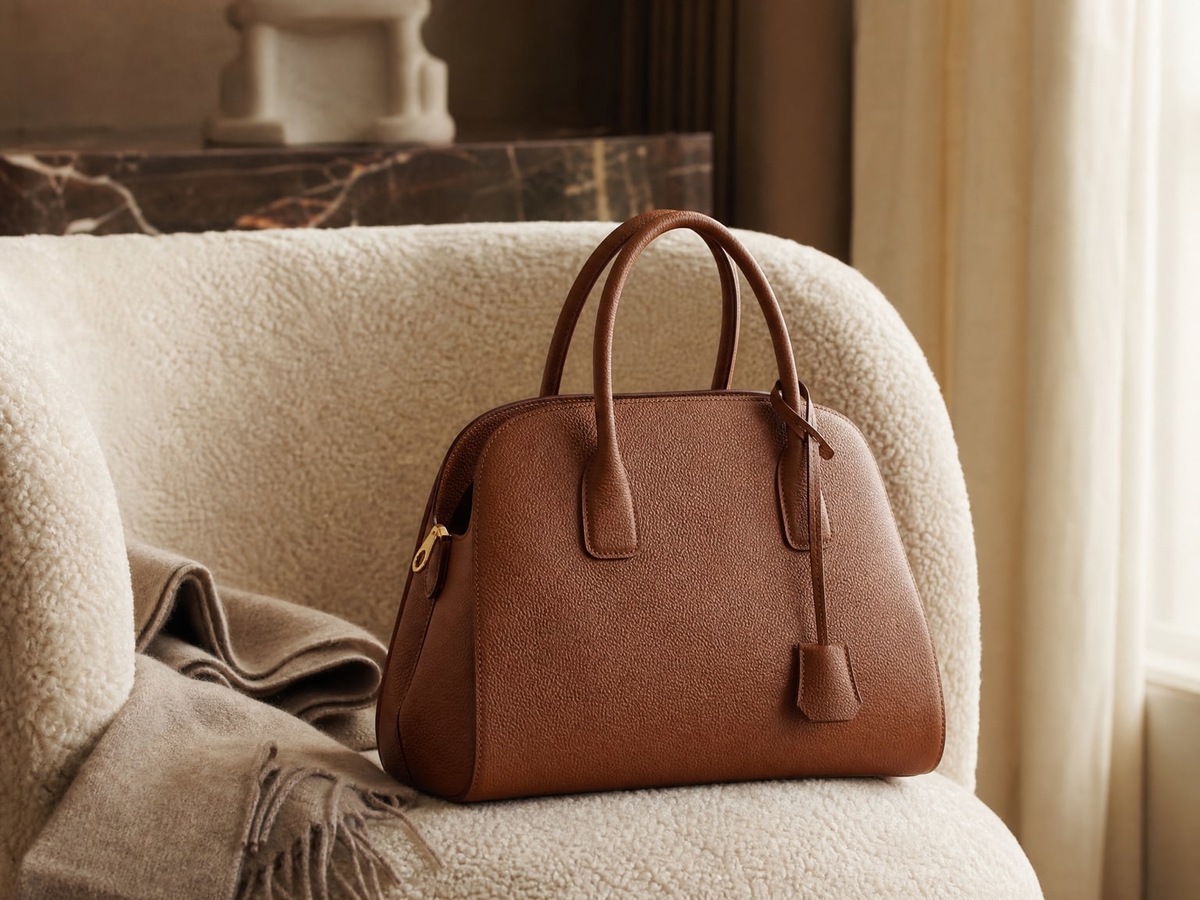
AI Product Photography
for Ecommerce Stores

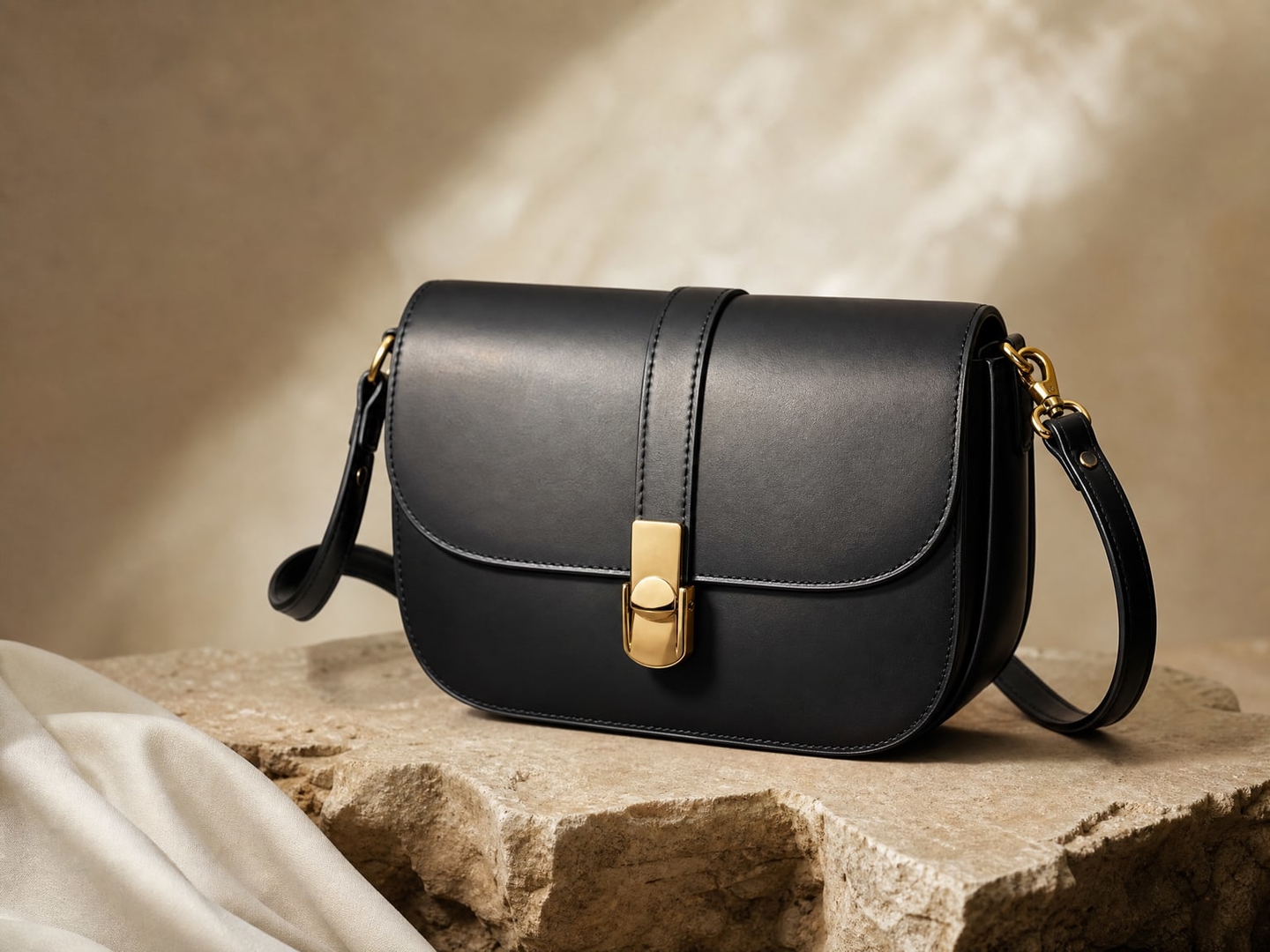
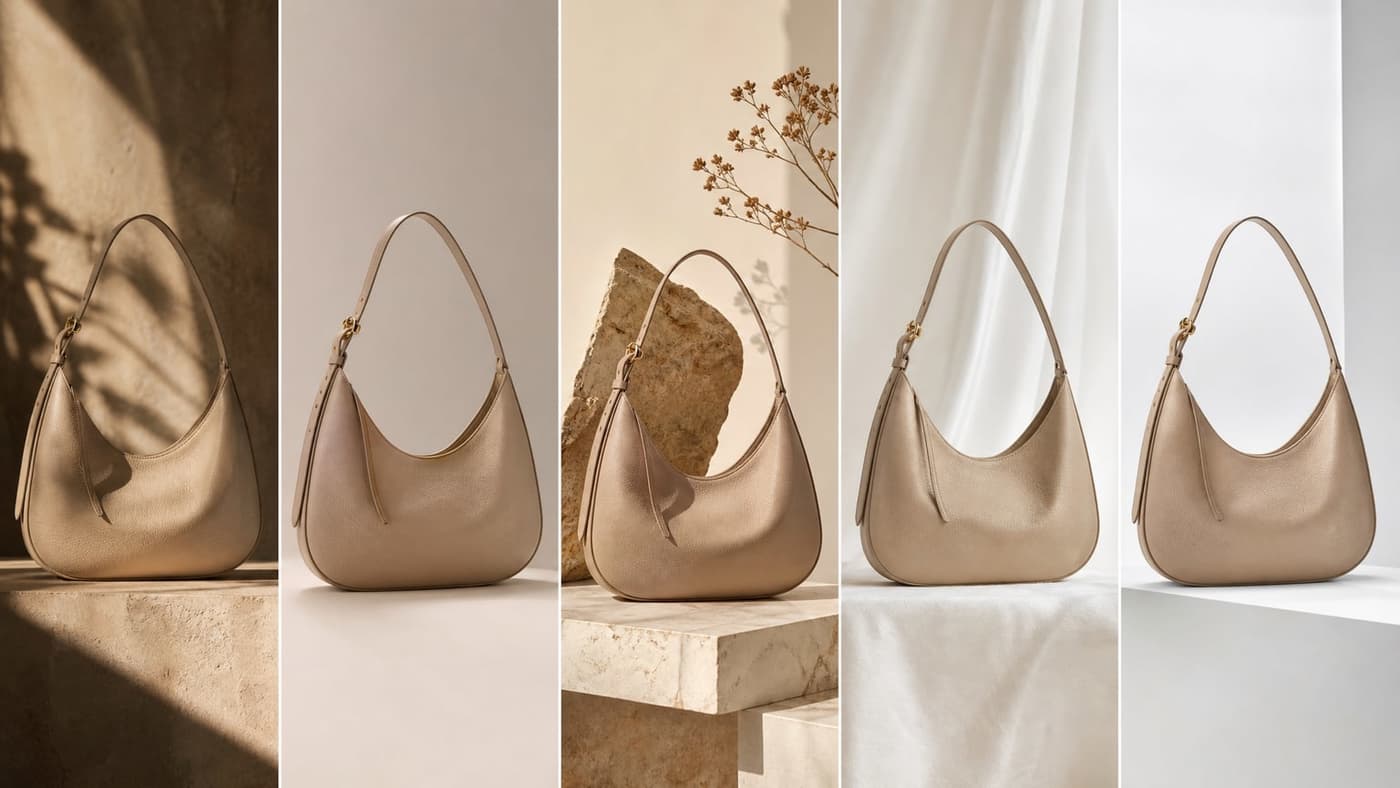
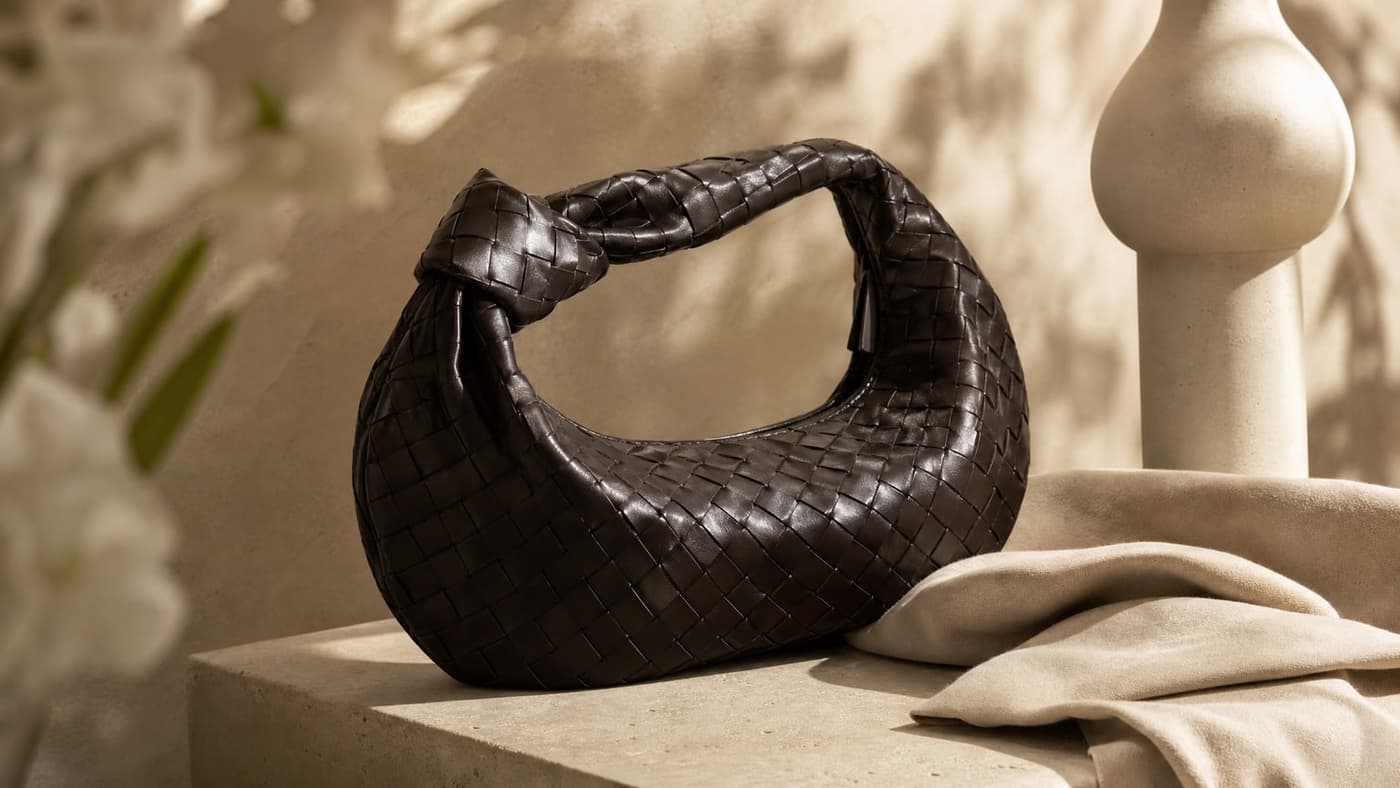
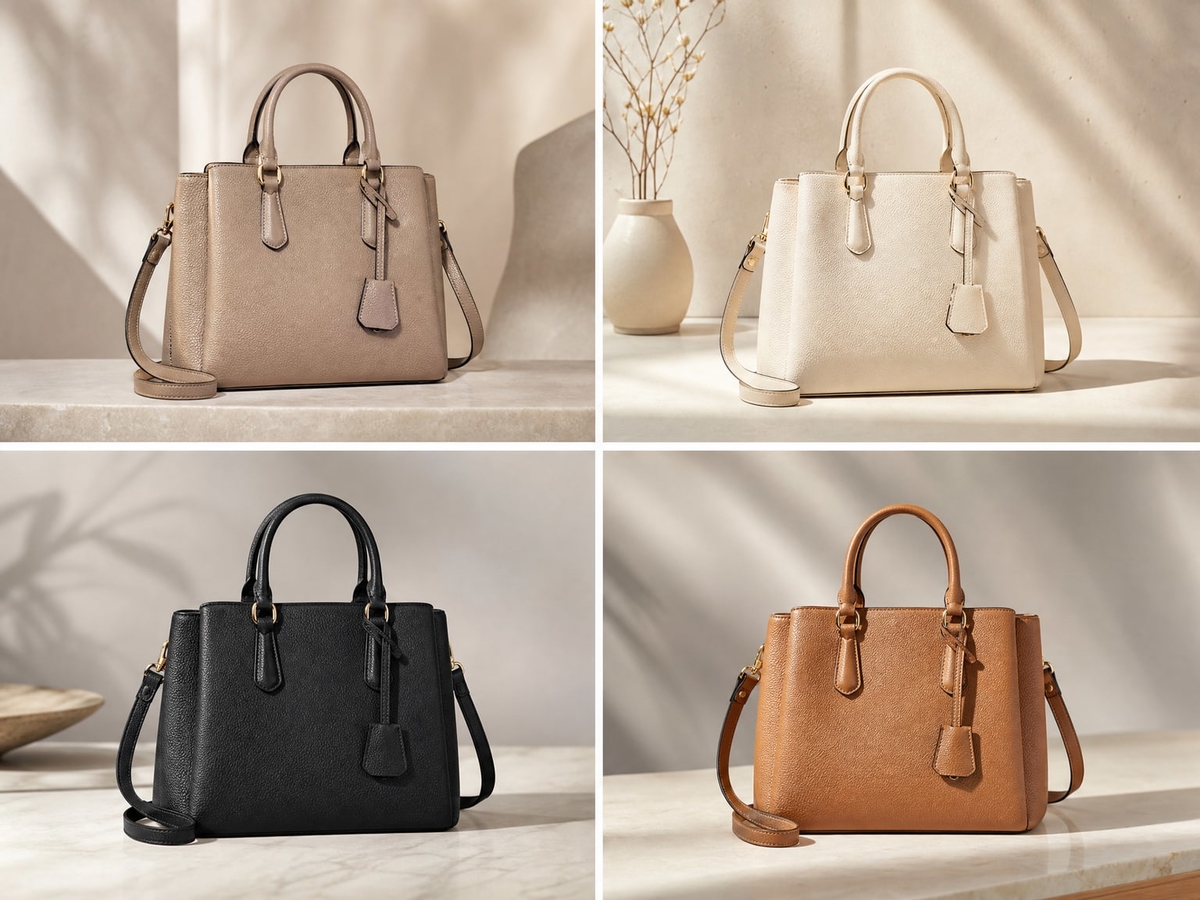
Photta is built for stores, not for social posts. Upload a photograph of the product you actually sell and generate the image types a listing needs — clean studio shots, hollow ghost mannequin, on-model apparel, jewelry close-ups and lifestyle scenes — while the product itself stays as photographed. Free to start, no card.

One product photo in. Studio, on-model and ghost mannequin shots out.No watermark

AI Product Photography for Ecommerce Stores

How AI Product Photography Works

Upload the real product
1

Upload the real product

A single photograph of the item you sell — phone or camera. JPG, PNG and WebP go straight through; HEIC, AVIF and TIFF are converted on upload, up to 10 MB. Output quality tracks input quality more than any other factor, so an evenly lit shot against a contrasting background pays for itself.

Pick the workflow the listing needs
2

Pick the workflow the listing needs

Apparel try-on puts the garment on an AI model. Ghost mannequin returns a hollow shot with no mannequin to retouch. Jewelry and eyewear studios handle close-up reflective work. Product studio and lifestyle cover backgrounds and scenes. Each is a separate workflow, not one generic button.

Review, then export at 1K, 2K or 4K
3

Review, then export at 1K, 2K or 4K

Check the output against the physical product before it goes live — colour, logo, stitching, anything a buyer could return over. Paid plans export without a watermark. Credits are taken when a job starts and refunded automatically if it fails.

Apparel and jewelry brands, marketplace sellers, agencies running client catalogs, and teams that would otherwise book a studio for every drop.

Built for Stores That Ship Products

Explore all virtual try-on tools
Your Product, Not a Lookalike

Your Product, Not a Lookalike

Every workflow starts from your photograph rather than a text prompt, so the colour, cut, texture and hardware in the output come from the item you actually sell. That is what marketplace accuracy rules are written around.

Get Started Free

The Image Types a Listing Needs

Pure-white main images, hollow ghost mannequin, on-model apparel, jewelry close-ups, flat lays, lifestyle scenes, extra angles and detail crops — produced from the same upload instead of four separate shoots.

Try It Now
The Image Types a Listing Needs
Priced Per Image, in Credits

Priced Per Image, in Credits

A 2K image costs 5 credits for apparel, jewelry or eyewear and 4 for ghost mannequin; 4K adds one. Background removal and upscaling are 1. A retry is a flat 3. Plans run from a free tier through 5,000 credits a month, so the cost per usable image is something you can calculate before committing.

Explore Features

Use Cases

Workflows Ecommerce Teams Actually Run

Each maps to a distinct listing problem rather than a style preset.

Apparel on models, without a shoot

Put a garment on an AI model to show fit and drape. Reuse the same generated model across a product family so proportions and skin tone stay consistent down a category page.

Apparel on models, without a shoot

Ghost mannequin for fashion listings

Hollow, three-dimensional garment shots with no mannequin to edit out. The only workflow here that runs as a batch, and the one exposed through the API.

Ghost mannequin for fashion listings

Jewelry and small reflective goods

Close-up studio and on-model shots for rings, necklaces, earrings and watches, where reflections and metal tone are the hard part.

Jewelry and small reflective goods

Marketplace main images

Clean, pure-white backgrounds for the primary listing image Amazon and Walmart specify — starting from your own photograph, so the item stays accurate.

Marketplace main images

Lifestyle and campaign scenes

Secondary imagery in settings you never photographed. This is where marketplaces allow the most latitude, as long as the product is unchanged and nothing implies a bundle you do not ship.

Lifestyle and campaign scenes

Client catalogs, at agency volume

Separate brand assets per client, generated on one platform. Seat counts run from 1 to 15 by plan, so team access is a plan decision rather than a workaround.

Client catalogs, at agency volume

Choosing an AI Product Photography Tool

The questions worth asking before you commit a catalog to one.

Still have questions?

Contact Support

Ready to Transform Your Fashion Business?

Join thousands of brands using Photta's AI tools

Free to Start
No Credit Card Required
Cancel Anytime