
Photta
Transform Your Product Photography with AI
Join thousands of brands creating professional product photos instantly. Start free, no credit card required.
Get Started Free
Maya Chen
Virtual Try-On & Eyewear E-commerce Specialist
Eyewear virtual try-on lets a shopper see a pair of glasses on a face before they buy, either live through their own camera or as an AI-generated image. It works well enough that big optical brands now lean on it, and the reason is simple. The Vision Council found that 86 percent of eyewear buyers still purchase in a store, mostly because they want to try frames on. Try-on brings that moment online.
This guide walks through how it actually works, how accurate it really is, and where it helps most. No hype, just what is happening under the hood and what to expect.
How eyewear virtual try-on works
There are two approaches, and they share the same core idea: figure out where a face is, then place the frame on it correctly.
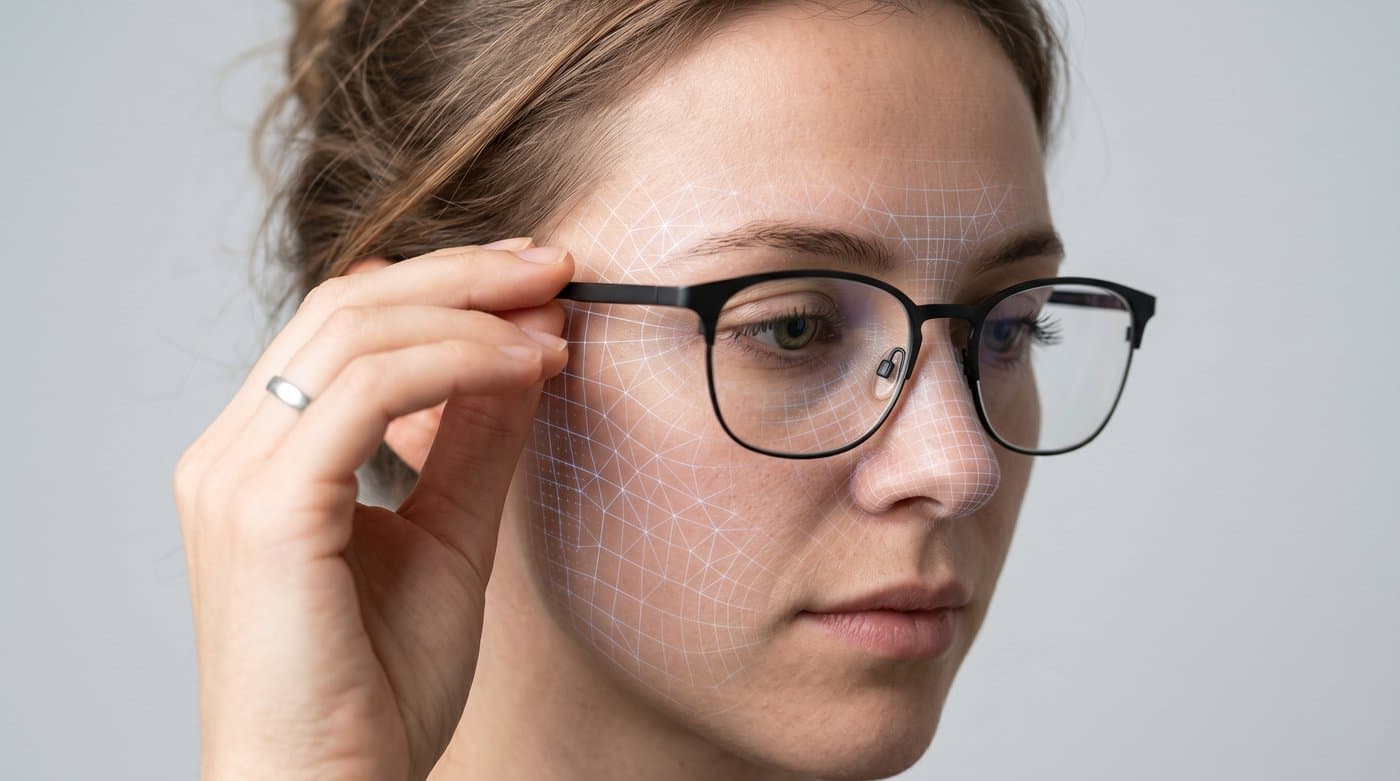
Live AR try-on runs in real time. The shopper points a camera at their face, and the software detects the face, maps it, and renders the glasses on top, holding them in place as the head turns. Most systems build a dense 468-point face mesh and use facial landmark detection to find the eyes, nose bridge, and ears, so the frame sits at the right scale and angle. Good systems do this in around 400 milliseconds, fast enough to feel instant.
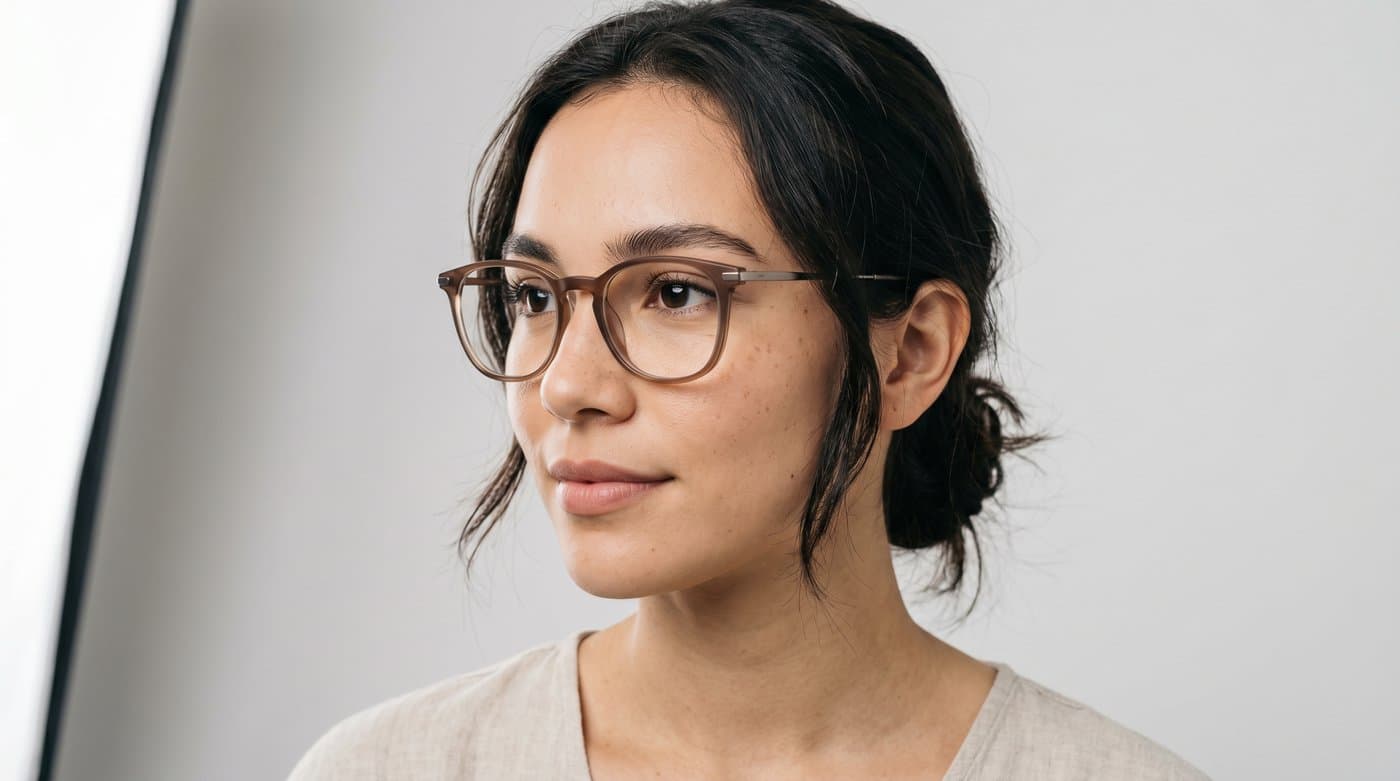
AI-generated try-on works differently. Instead of a live overlay, it takes a product photo of the frame and generates a finished image of those glasses on a model face. There is no camera moment for the shopper, but you get clean, polished on-model pictures for your catalog and ads from a single upload.
How accurate is it
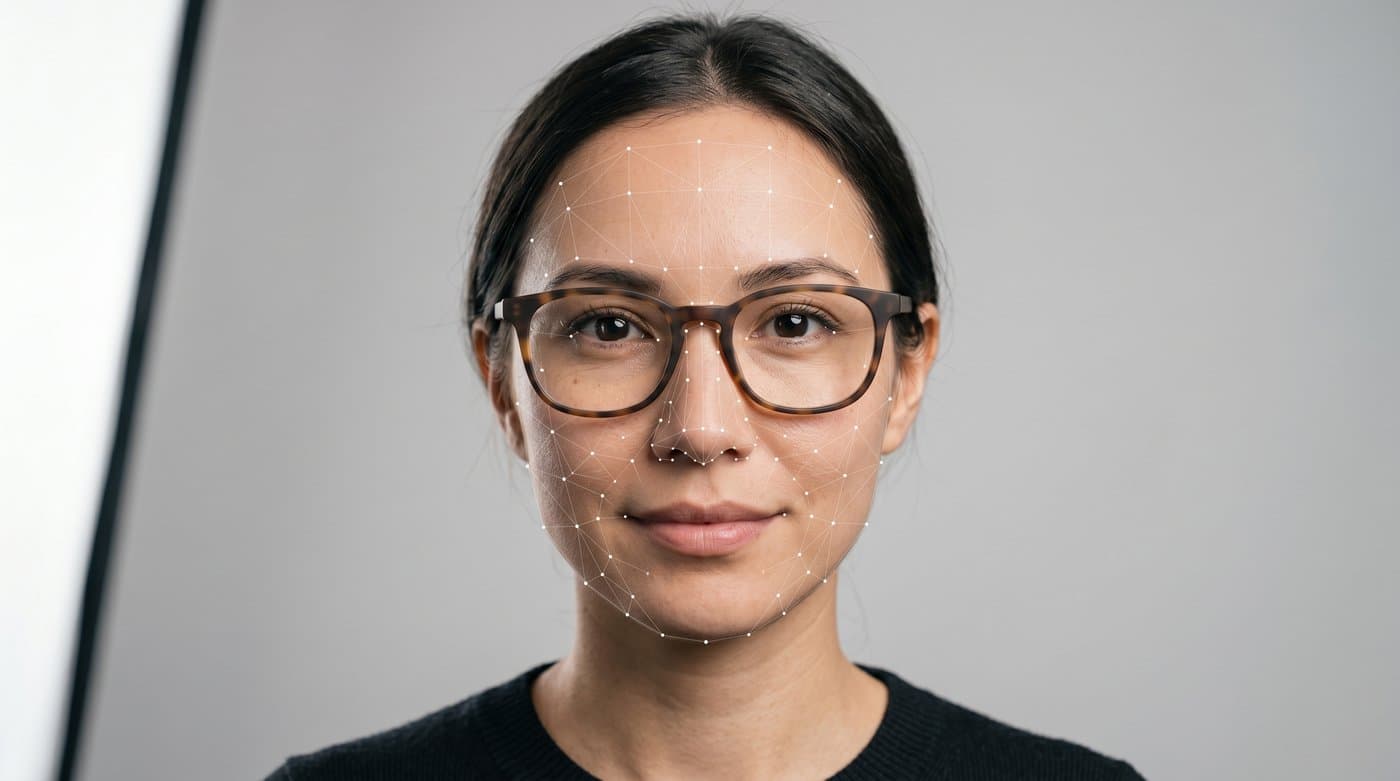
More accurate than most people expect, with honest limits. Research on AR eyewear systems reports face-shape classification accuracy around 92 percent, with the usual misses on similar face types. Placement is measured with metrics like Intersection over Union and width error, which check that the rendered frame matches the real position and scale of the face. In plain terms: the shape, proportion, and color read true, and the frame sits where it should.
Where it is weaker: it cannot feel the weight of a frame, judge the exact pressure on one person's nose bridge, or perfectly predict how progressive lenses will behave. Lighting and camera quality affect a live try-on, and very thick or highly reflective lenses are harder to render. Treat try-on as a strong preview, not a precise fitting.
What it does well, and where it falls short
It is excellent at the job that matters most online: showing shape, proportion, and how a frame frames the eyes. Baymard found that 56 percent of shoppers explore the images first, so a believable on-face view does a lot of the selling. It also lets a shopper compare several frames quickly, which a physical store struggles to beat for speed.
It falls short on the tactile parts of buying glasses, the feel and the fine fit. That is why the brands getting the most from it pair try-on with clear sizing in millimeters and an easy return policy, so the shopper feels safe acting on what they see.
Live widget or AI image: which do you need
If you want shoppers interacting with frames on their own face on your store, you need a live AR widget. If you want polished on-model imagery for your listings, ads, and social, you need AI image generation. They answer two different questions, "how does this look on me" and "what does this frame look like worn", and plenty of brands use both.
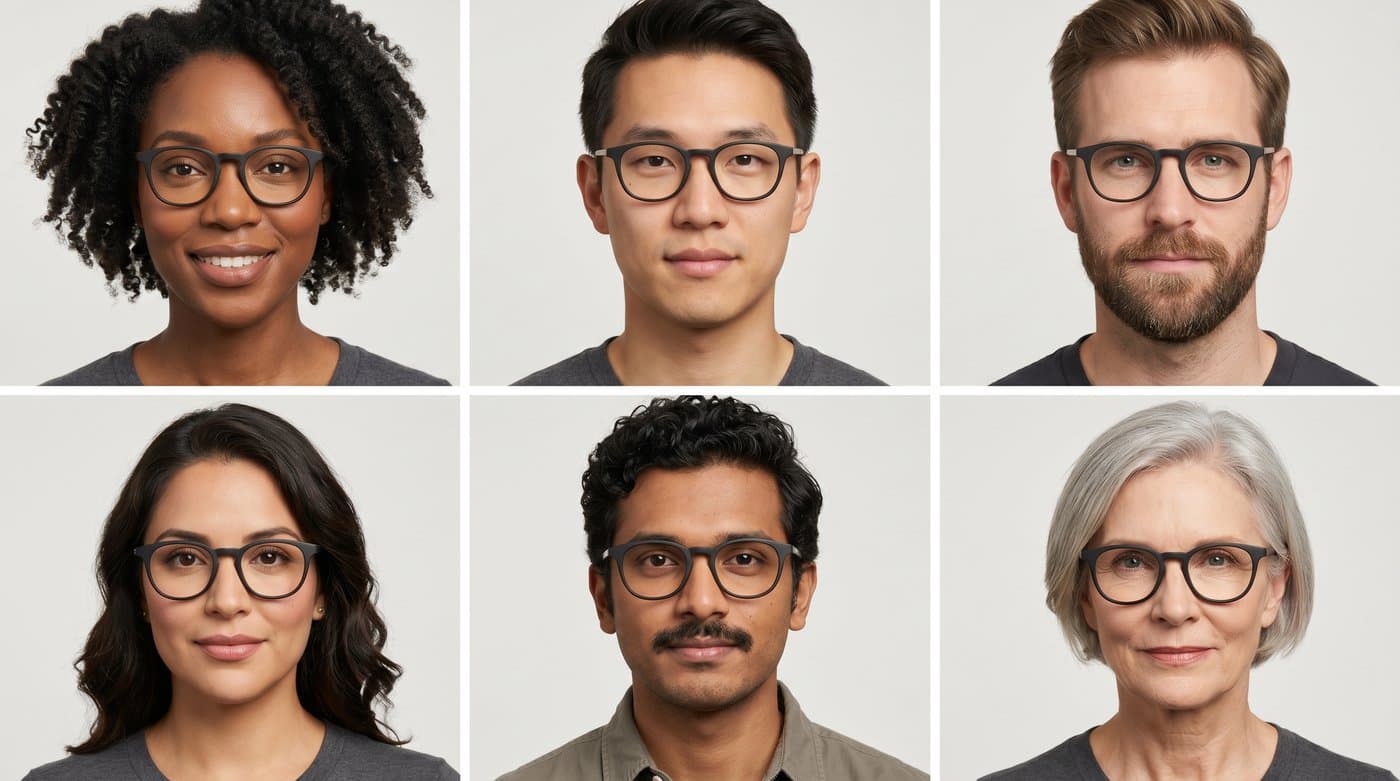
This is where a tool like Photta fits. From one photo of a frame, Photta generates clean product shots and on-model images of the glasses on a range of AI faces, so a small eyewear brand can build a diverse, every-frame catalog without booking models or a studio. It is the AI-image side of try-on, and it pairs naturally with a live widget on the storefront.
Where it helps most
- Optical stores putting a large frame range online without a photoshoot for each one.
- Eyewear brands that need on-model variety across face shapes and skin tones.
- Marketplace sellers who want listings that look as trustworthy as the big names.
- Any store where returns from "it did not suit me" are eating the margin.
Glasses will always be a try-it-on product. Virtual try-on does not replace that instinct, it answers it, by giving a shopper an honest look at the frame on a face before they commit. Get the placement right, keep the imagery true to the real frame, and back it with clear sizing, and you rebuild the mirror that an online store is missing.
FAQ
Sources
- The Vision Council, Q3 2024 consumer research: thevisioncouncil.org
- ResearchGate, A Web-Based AR-Powered Virtual Eyewear Try-On System: researchgate.net
- Fittingbox, eyewear virtual try-on technology FAQ: fittingbox.com
- Baymard Institute, product page UX research: baymard.com
Tags
Photta
Ready to transform your product photography?
Try Photta free and see the difference AI can make for your e-commerce business. No credit card required.
Start Free Trial